




Absa Bank Kenya told investors to build portfolios for uncertainty, not for a single forecast, at a webinar on the 2027 outlook.
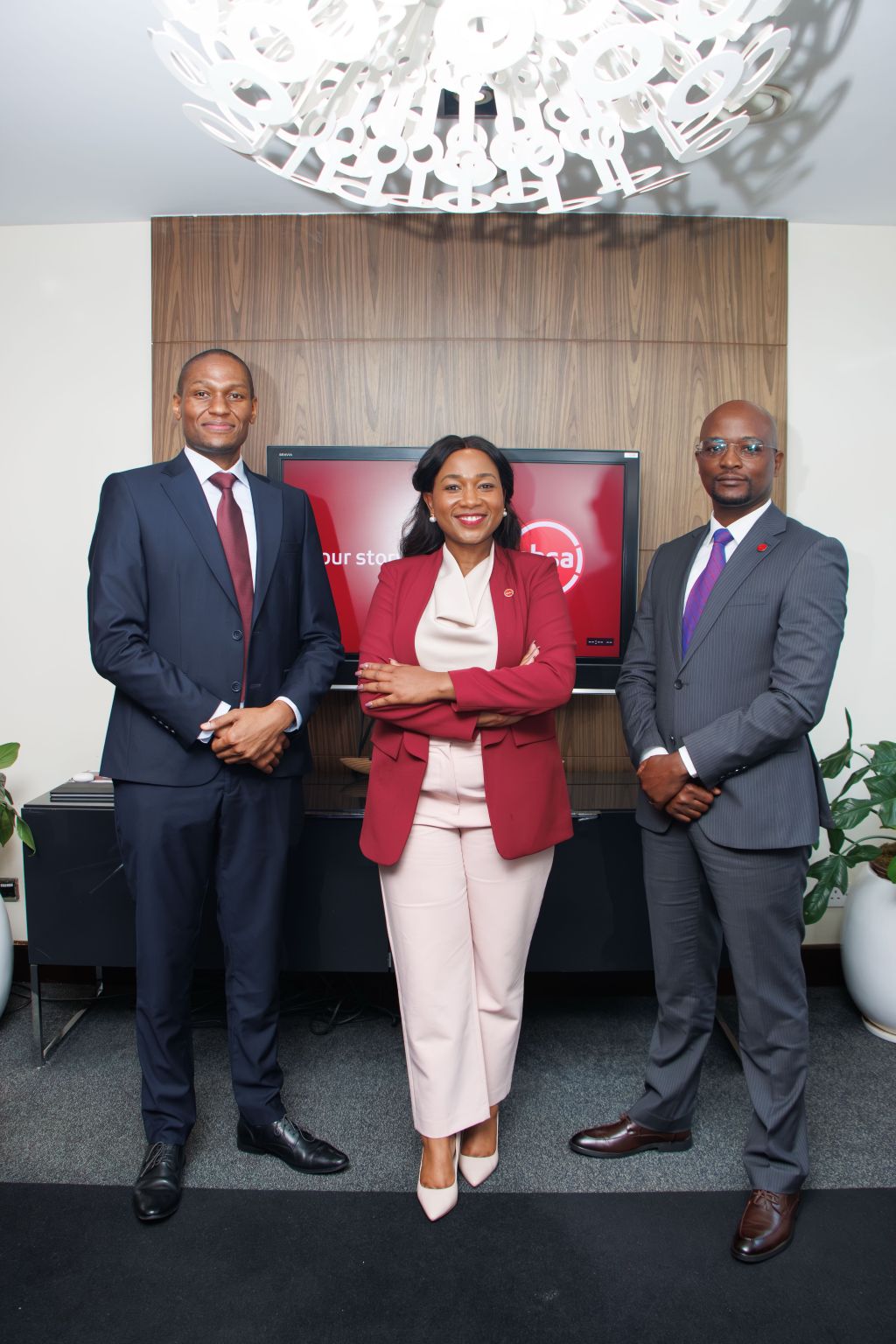
Four Absa executives spoke: Magdalene Kaguri, head of prestige banking; Jeff Gable, chief economist for Africa at Absa Corporate and Investment Banking; Manda Rama, chief investment officer at Absa Asset Management; and Victor Waring of global markets sales.
Gable opened with the lesson of 2026. Oil traded in the high $60s in late February, passed $100 two weeks later, fell to the low $70s by mid July and topped $100 again weeks after that. “There’s an awful lot that you just can’t know,” he said.
Oil has fallen, but fuel costs have not
Prices dropped after the US midterm elections. Gable said markets now expect lower prices a year from now, but not the levels seen before the Iran war, when long term oil was priced in the mid $60s.
The cost of turning crude into diesel rose faster than crude itself. Gable said the processing and transport charge on a barrel went from about $30 to above $100. Most African countries import oil, so the effect will last. “It’s very difficult to unscramble an egg,” he said.
Inflation sits near the top of the target range
Kenya’s annual inflation reached 7.3 percent in October, up from 6.8 percent in September. A year earlier it was 4.6 percent. The Central Bank of Kenya’s target range tops out at 7.5 percent.
Gable said food and drinks make up about a third of the price basket and are rising at low double digit rates. Transport inflation is about 17 percent. Petrol and diesel sell near KSh225 a litre.
Absa expects inflation to stay between 7 and 7.5 percent until March or April 2027. It then expects relief from a base effect. Fuel prices jumped in April and May 2026, so that jump drops out of the yearly comparison a year later and the headline figure falls.
The Monetary Policy Committee held the Central Bank Rate at 8.75 percent, as it did in August. Absa expects the rate to stay there and cuts to resume in the second half of 2027.
The shilling is forecast to hold
The shilling has traded between 129 and 130 to the dollar for a long period. Absa expects that to continue well into 2027, with weakness only in the last quarter once inflation eases.
Gable cited two supports: foreign exchange reserves the central bank has rebuilt since 2023, and wider government borrowing, including World Bank and African Development Bank programmes and bonds sold in Japan and China. “It’s not all just about one Eurobond,” he said.
El Niño may lower food prices
Gable reviewed Kenyan inflation data back to 1970. In about 11 of 18 El Niño episodes, inflation moved no more than in a normal period. In about five it fell, and in the rest it rose. In southern Africa El Niño usually pushes prices up, while East Africa tends to get more rain.
Absa’s base case is lower food inflation in the first and second quarters of 2027. Gable said heavy rain at the wrong time could damage crops, roads and bridges.
Bonds could gain if rates fall
Rama said short term rates rose in 2026 after the war began, then steadied. She expects a rate cut once the base effect lowers inflation.
She named bonds maturing in 15 to 20 years as the best value. Bond prices rise when rates fall, so buyers who lock in today’s coupons could also gain in capital value. She said government auctions, held twice a month, have drawn more bids than the Treasury sought.
She dismissed concern about public debt. “Governments don’t pay debt, they refinance,” she said. Kenyan unit trusts hold close to KSh1 trillion, she said, and that money needs a place to go.
Past elections have not moved the stock market
Kenya votes in 2027. Rama compared past election years with growth and share price data. The 2007 vote was followed by a fall in output and share prices in 2008. Growth continued through the 2013, 2017 and 2022 elections.
She said private sector credit growth is near 10 percent and banks are lending again. “Increasingly, political risk is not showing up in the numbers,” she said. She expects momentum to hold if the vote is peaceful and policy does not change sharply.
Absa Group is adding to its own Kenyan holding. It has offered to raise its stake in Absa Bank Kenya from 68.5 percent to 85 percent.
How companies can fix prices in advance
Waring described hedging as insurance for money. An importer can agree a rate today for dollars bought in three months, such as 130 shillings. Forward contracts carry no fee, he said, while contracts that leave room to benefit from a better rate cost a premium.
Borrowers on floating rate loans can swap them for fixed rates, and large fuel users can fix commodity prices. A firm importing $100,000 a month might hedge half and buy the rest at the market rate.
Higher yield products such as dual currency and credit linked deposits carry risk. “Hope is not a risk management strategy,” he said.
What each fund type can lose
Rama set out the risks by fund type. Money market funds hold assets of up to 18 months and pay slightly above inflation. Bond funds pay fixed income, but prices move. Equity funds carry the most risk, because dividends can stop and share prices can fall.
Absa Asset Management has regulatory approval for a special fund giving access to offshore markets, which it plans to launch this month. Rama said special funds vary by strategy and carry the highest risk. “If you don’t know where the money is coming from, it may be coming from your pocket,” she said.
Absa’s unit trust range includes shilling and dollar money market funds, a fixed income fund, a balanced fund and an equity fund. Entry starts at KSh1,000 for shilling funds and $100 for the dollar fund.
The advice for 2027
Gable urged investors to stay close to advisers on risk. Rama said to think long term and ignore headlines. “As the others panic, don’t panic,” she said. Waring said the strongest corporate clients hedge even when markets are calm.
